
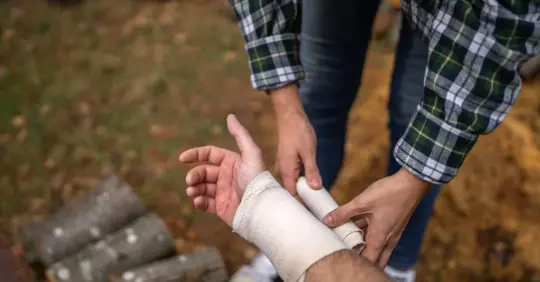
A trip to the grocery store, an evening at an apartment complex, or a visit to a local business usually comes with a basic expectation: the property should not contain avoidable dangers. When an unexpected injury happens because of a hazardous condition, the aftermath can be frustrating and confusing. Medical treatment, missed work, and unanswered questions about responsibility often follow. Understanding premises liability can help you make sense of what may happen next and what factors could affect a potential claim.
When Does a Property Owner Become Responsible for an Injury?
Not every accident automatically means a property owner did something wrong. People can trip, slip, or get hurt for many different reasons. The key question is often whether the injury was connected to a condition that should have been addressed before someone got hurt.
For example, a loose handrail that was never repaired, a spill left unattended in a busy aisle, or a broken sidewalk that remained hazardous for weeks may create situations where responsibility becomes an issue. The circumstances surrounding the incident often matter just as much as the injury itself.
Conditions That Commonly Lead to Property-Related Injuries
Many injuries occur because a hazard develops and remains unaddressed for an extended period. While every situation is different, certain conditions appear more frequently than others.
- Unsafe walking surfaces: Cracked pavement, uneven flooring, loose carpeting, and slippery entryways can increase the risk of falls.
- Poor visibility: Burned-out lights in stairwells, parking areas, or hallways can make hazards difficult to identify.
- Lack of maintenance: Damaged fixtures, deteriorating structures, and neglected repairs can create preventable safety concerns.
The existence of a hazardous condition alone does not always determine liability. Questions often arise about how long the condition existed, whether someone reported it, and what actions were taken to address it before the incident occurred.
Why Documentation Matters After an Accident
Information gathered shortly after an injury can become important later. Conditions on a property may be repaired, cleaned, or altered quickly, making it harder to show what existed at the time of the incident.
Photographs can help capture the area where the injury occurred. Witnesses may provide valuable observations about what they saw before or after the accident. Medical records can also help connect the injury to the event itself. The more accurately the situation is documented, the easier it may be to understand what happened and evaluate the circumstances surrounding the claim.
Even details that seem minor at first—such as weather conditions, lighting, or the location of warning signs—may become relevant when reviewing the facts.
Actions That Can Help Protect Your Interests
The period immediately following an injury can be overwhelming. Taking a few practical steps may help preserve important information while you focus on your recovery.
- Get medical care promptly: A professional evaluation creates a record of your injuries and helps address health concerns early.
- Preserve evidence when possible: Photographs, videos, and witness contact information may provide useful context later.
- Notify the appropriate party: Reporting the incident to a manager, property owner, or supervisor creates a record that the event occurred.
These actions are not about assigning blame. Instead, they help establish a clear timeline and preserve information that could otherwise be lost as time passes.
Factors That Can Complicate a Premises Liability Claim
Property injury cases are rarely as simple as determining where an accident happened. Several issues may affect how a claim is evaluated.
A property owner may argue that the hazard was obvious or that reasonable steps had already been taken to address it. In other situations, questions may arise about whether another person or company shared responsibility for maintaining the area. Texas law may also consider whether an injured person contributed to the circumstances that led to the accident.
Because every property, hazard, and injury is different, a thorough review of the facts is often necessary before determining how responsibility may be allocated.
Learning More About Your Options After a Property Injury
An injury on someone else’s property can affect far more than your physical health. It may disrupt your routine, impact your ability to work, and create financial concerns that linger long after the incident itself. Understanding how premises liability works can provide a clearer picture of what factors may influence a potential claim.
If you were injured because of a dangerous condition on another person’s property, Zen Law Firm can evaluate the details of your situation and help you better understand your legal options. Contact Zen Law Firm through our website or call (469) 361-8561 to schedule a consultation and discuss your next steps.